When you hire a plumber for a new home build in Salt Lake City, you are hiring someone for four separate visits, not one: the underground lines before the slab is poured, the rough-in once the framing is up, the inspections in between, and the finish stage at the end. The right plumber is the one who reads your plans early, fits the builder's schedule and has the work ready for every inspection.
This guide walks through what happens at each stage, what the city checks, what changes the price, and the questions to ask so you can compare plumbers on equal terms.
What does a plumber do on a new home build?
A new home's plumbing goes in with the house, one stage at a time. Each stage has to be finished before the next trade can start, so the plumber's timing affects the whole build.
- Plan review. The plumber reads the plans, the fixture list and the water heater plan, and flags anything that will be hard to run or hard to vent.
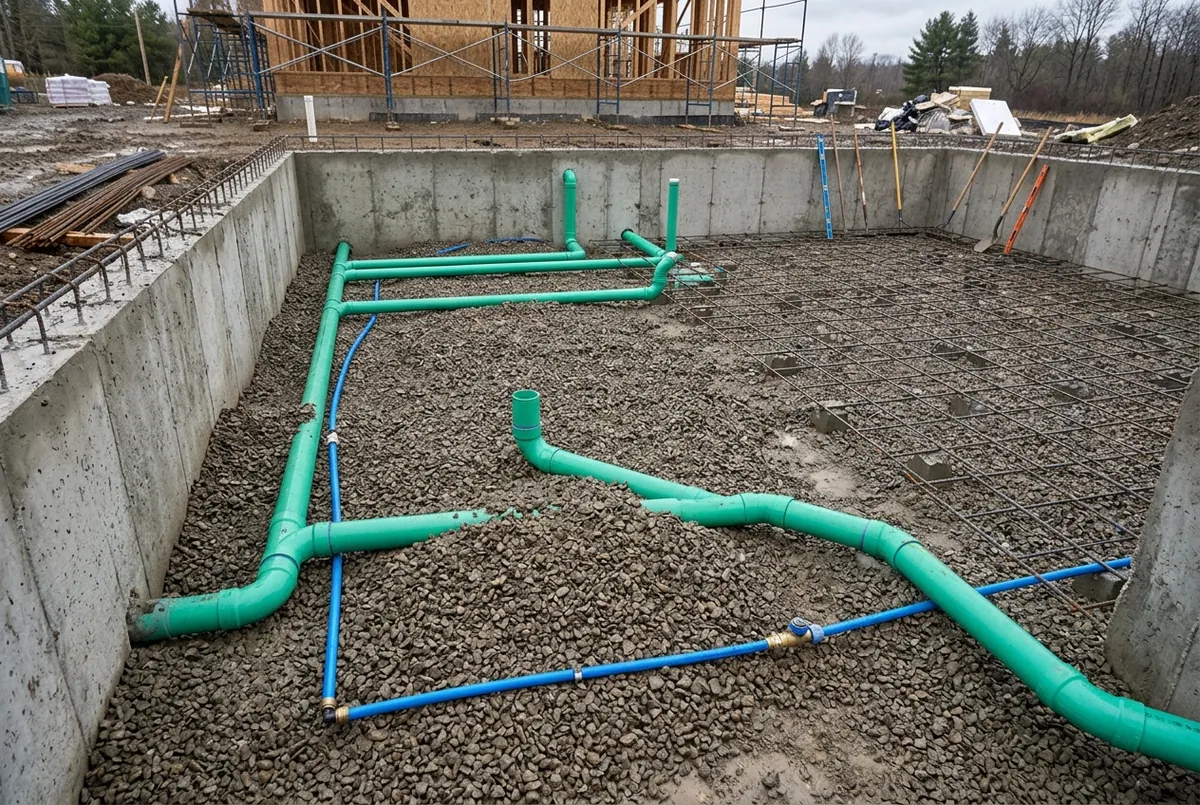
- Underground. On a slab or a basement floor, drain and water lines are placed before the concrete is poured. Anything missed here means cutting concrete later.
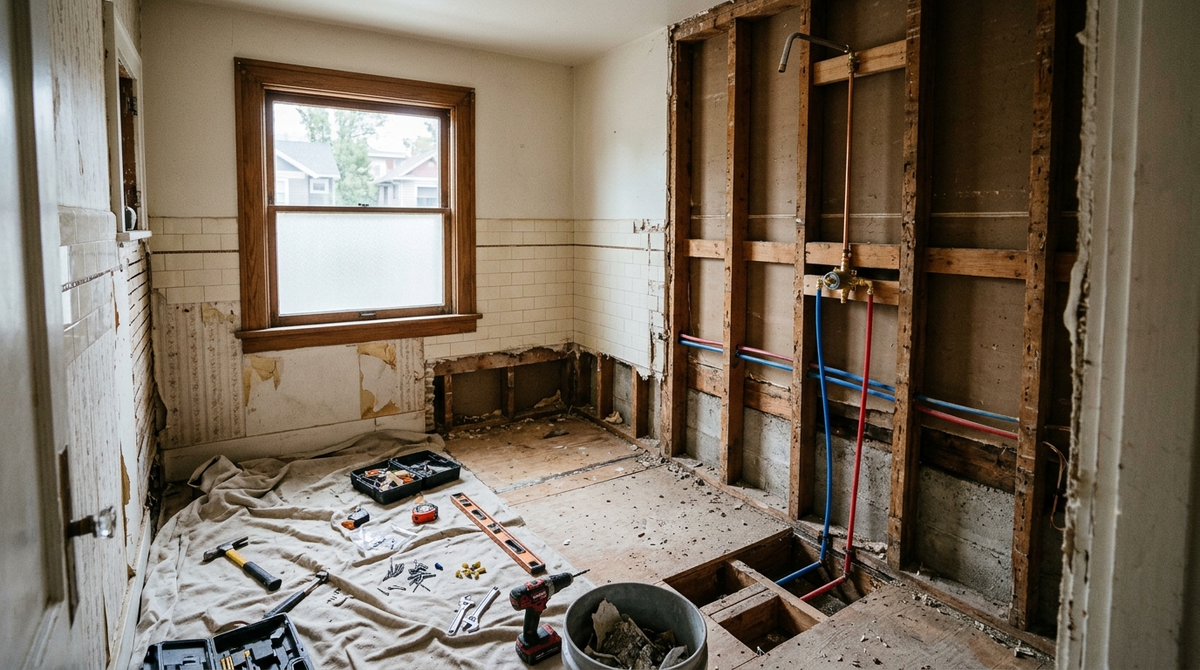
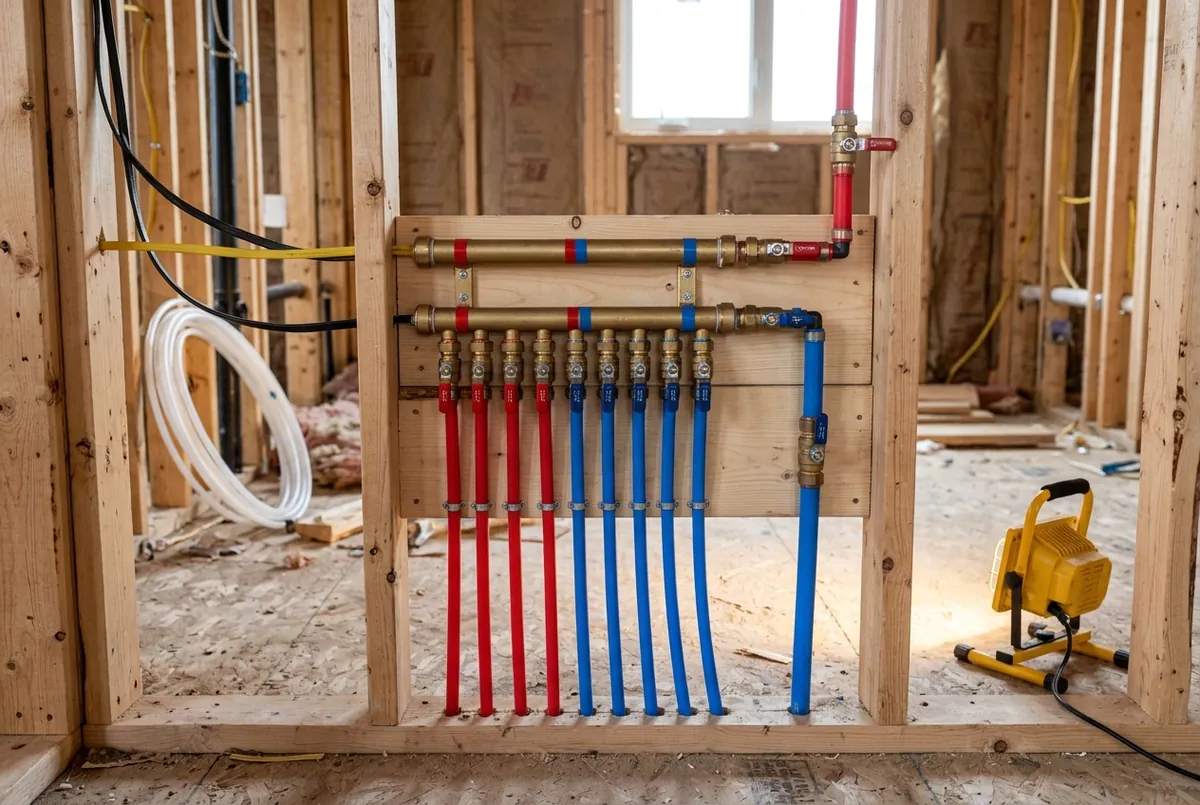
- Rough-in. Once the framing is up, supply lines, drains and vents run through the walls and floors, and connection points are set for every sink, toilet, tub, shower and appliance.
- Inspections. The work is inspected at set stages, before it is covered.
- Finish. After tile, counters and cabinets, the plumber sets the fixtures, connects the water heater and tests everything.
Between stages, the plumber is waiting on other trades. A plumber who keeps in touch with your builder, and shows up when the walls are ready, keeps drywall and tile from being pushed back.
Which plumbing inspections does a new home need in Salt Lake City?
New plumbing is inspected before it is buried or closed in. Salt Lake City Building Services lists its plumbing inspections on its inspection codes page: Underground, Rough, Shower Pan, Gas Clearance, Gas Pipe Test and Plumbing Final. The same page notes that each trade needs its own permit.
In practice, that means:
- Underground: the inspector sees the buried lines before the slab or basement floor goes in.
- Rough: pipes, vents and connections are checked with the walls still open, usually alongside the other trades' rough inspections.
- Shower pan: a built-in shower base is checked for leaks before tile goes on top.
- Gas pipe test and clearance: where the home has gas appliances, such as a gas water heater or range, the gas lines are tested and cleared before the gas is turned on.
- Plumbing final: the finished fixtures and water heater are checked once everything is connected.
Other cities on the Wasatch Front, such as South Jordan, Herriman, West Jordan, Bountiful and Provo, run their own building departments with their own inspection lists and scheduling. The stages are similar, but ask your plumber who books each inspection and who is on site for it.
A failed inspection costs time, not just money. The fix has to be made and the inspector has to come back before the walls can close. That is why "Who schedules the inspections, and how often does your work pass the first time?" is a fair question to ask.
What changes the cost of plumbing in a new home?
New construction plumbing is priced from the plans, so two homes with the same square footage can get very different quotes. The main things that move the price:
- Bathrooms and fixtures. Every bathroom, kitchen, laundry room and wet bar adds pipe, drains, vents and fixtures.
- Layout. Bathrooms stacked above each other and a kitchen close to the main stack need shorter runs than a plan spread across the lot.
- Basement plumbing. A finished or future basement bathroom means underground work and sometimes a pump if the fixtures sit below the sewer line.
- Water heater choice. A tankless unit costs more up front than a tank and needs a gas line and venting planned from the start. Our guide to tankless vs tank water heaters covers the trade-offs for Utah homes.
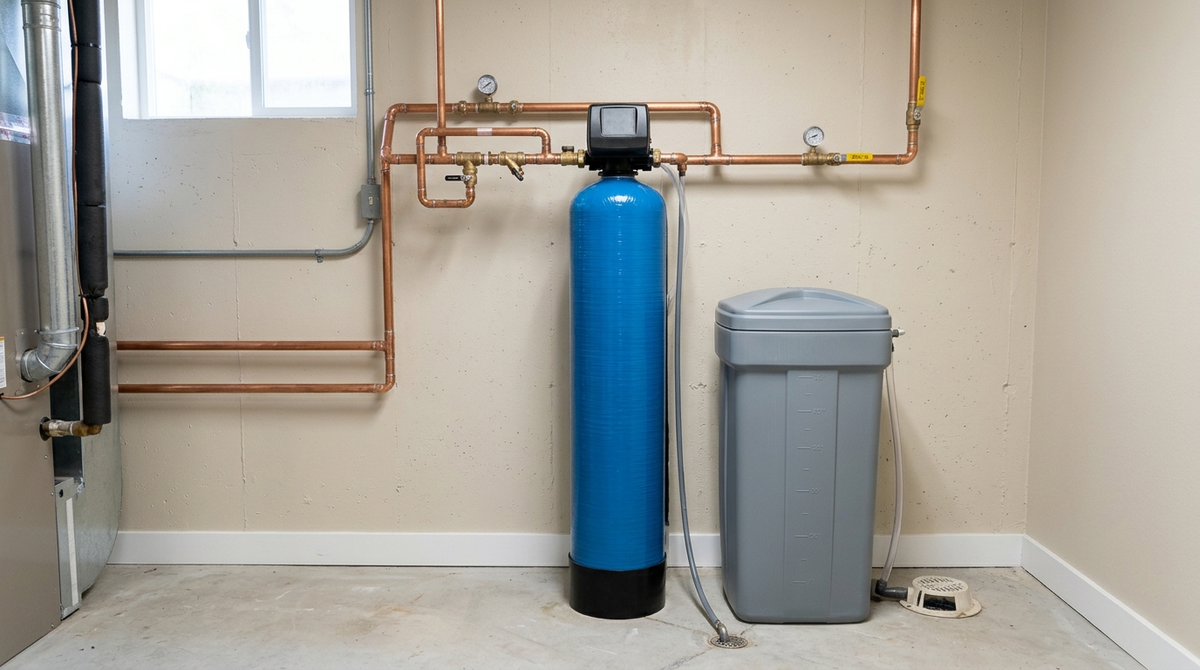
- Water treatment. A softener or whole-house filter adds equipment, a drain connection and space near the main line.
- Who supplies the fixtures. Some quotes include faucets, toilets and valves; others expect the builder or owner to buy them.
- Gas lines. Every gas appliance needs a line sized and tested for it.
When you compare quotes, line these items up side by side. A lower number often means something on this list is left out.
What to plan before the rough-in
The cheapest time to change plumbing is on paper. Once the pipes are in the walls, every change means new holes, new pipe and often a new inspection. Before rough-in, settle these with your builder and plumber:
- Where the water heater goes, and whether it is a tank or tankless unit. A tankless unit near the bathrooms it serves means less waiting for hot water.
- Soft or filtered water. Utah water is hard in many areas. Leaving a loop for a softener near the main line costs little now and saves cutting into finished walls later. Our post on hard water in Utah explains softeners and filters.
- Outdoor spigots and a gas line for the grill, placed where you will actually use them.
- Extra shutoff valves for each bathroom, so a future repair does not mean shutting off the whole house.
- A future basement bathroom. Roughing in the drains during the underground stage is far easier than breaking the slab later.
- Pipes in outside walls. Along the Wasatch Front, and more so in Park City and Snowbird, lines in exterior walls and garages are the ones that freeze. Plan the routes to keep water lines on the warm side of the insulation.
Questions to ask before you hire a plumber for your new home
Ask every plumber you are considering the same questions, so the answers are comparable:
- Do you work with my builder's schedule, and how much notice do you need for each stage?
- What exactly does the quote include: underground, rough-in, finish, water heater, gas lines, fixtures?
- Who pulls the plumbing permit and schedules each inspection?
- What happens if a change is made after rough-in?
- Which water heater would you recommend for this layout, and why?
- How will you keep me updated during the build?
- Who do I call if something leaks after we move in?
Listen for specific answers. A plumber who has read your plans should be able to tell you where the tricky runs are before you sign anything.
How long does the plumbing take on a new build?
The plumbing follows the build, so the calendar depends on the builder. A plan review usually takes about an hour. Underground work is done in the days before the pour. Rough-in takes days to weeks depending on the size of the home. The finish stage is usually a few days once tile and cabinets are in. Inspection timing depends on your city's building office.
The waits between stages are normal. What matters is that the plumber is ready when the framing is done and ready again when the counters go in.
New home plumbing in Salt Lake City with Mattos Express Plumbing
Mattos Express Plumbing is a family-owned plumbing company working with residential builders and with homeowners building their own house across the Wasatch Front, from Salt Lake City to South Jordan and Herriman. Jonathan Mattos has 15 years in the trade. We read your plans, explain each stage before it starts and keep you informed until the final fixture is tested.
See our new construction plumbing service or our new construction plumbing in Salt Lake City page, and call or text us with your plans and your timeline. If you are choosing equipment for the new home, our tankless water heater installation page explains what a tankless unit needs.