The cost of a water softener installation in Utah comes down to two things: the system you need for your water, and the work it takes to tie that system into your main line. A household with moderately hard water and a clear spot by the main line costs far less to fit than a large household with very hard well-fed water and a softener that has to go across the basement.
This guide explains what drives the price, how hard the water really is along the Wasatch Front, and what to ask so two quotes are actually comparable.
How hard is the water in Salt Lake City and along the Wasatch Front?
It depends on where your water comes from, and in Salt Lake City it changes with the source. The Salt Lake City Public Utilities 2026 Water Quality Report lists total hardness by source: about 8.0 grains per gallon from the Big Cottonwood treatment plant, 10.2 from Parleys, 12.4 from City Creek, and anywhere from 9.6 to 33.4 grains per gallon from the city's wells.
Two things follow from that:
- Your neighbor's number may not be yours. Water from different sources is blended through the system, so hardness can change by neighborhood and by season.
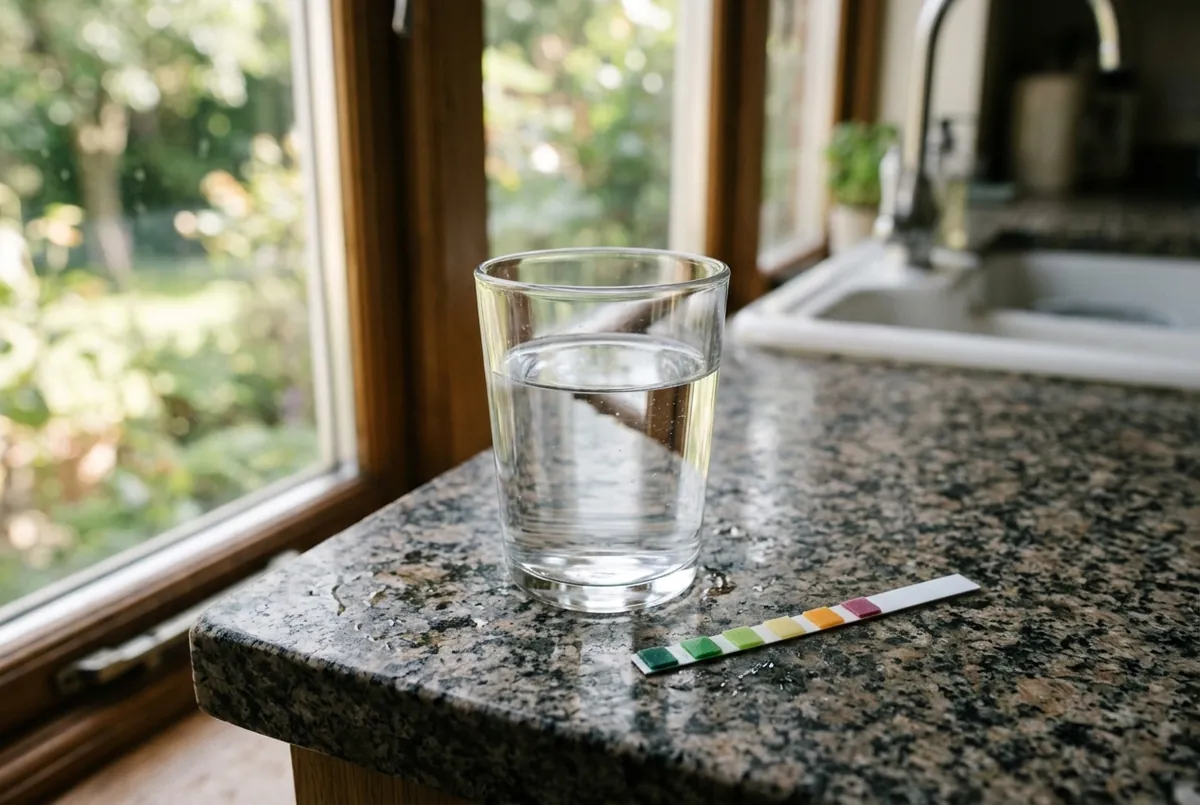
- Test before you buy. A quick test of your own tap gives the real number, and that number decides how big the softener needs to be.
Bountiful, Provo, West Jordan, Park City and the other Wasatch Front cities have their own water suppliers, each with its own yearly water quality report. Look up yours, then test the tap.
What drives the cost of a water softener installation?
Softener installs are priced on the equipment plus the plumbing work. These are the items that move the number:
Water hardness and household size
Harder water and more people mean more minerals to remove each day. That calls for a higher-capacity unit, which costs more up front, and it regenerates more often, which uses more salt. A unit sized too small runs out of softening capacity between cycles; one sized far too big costs more than it needs to.
Salt-based softener or salt-free system
A salt-based softener removes the hardness minerals and is the system most people mean by "water softener." Salt-free systems cost differently and work differently: they do not take the minerals out of the water. Ask any installer what each type will and will not do for your water before you compare prices.
Where the softener goes
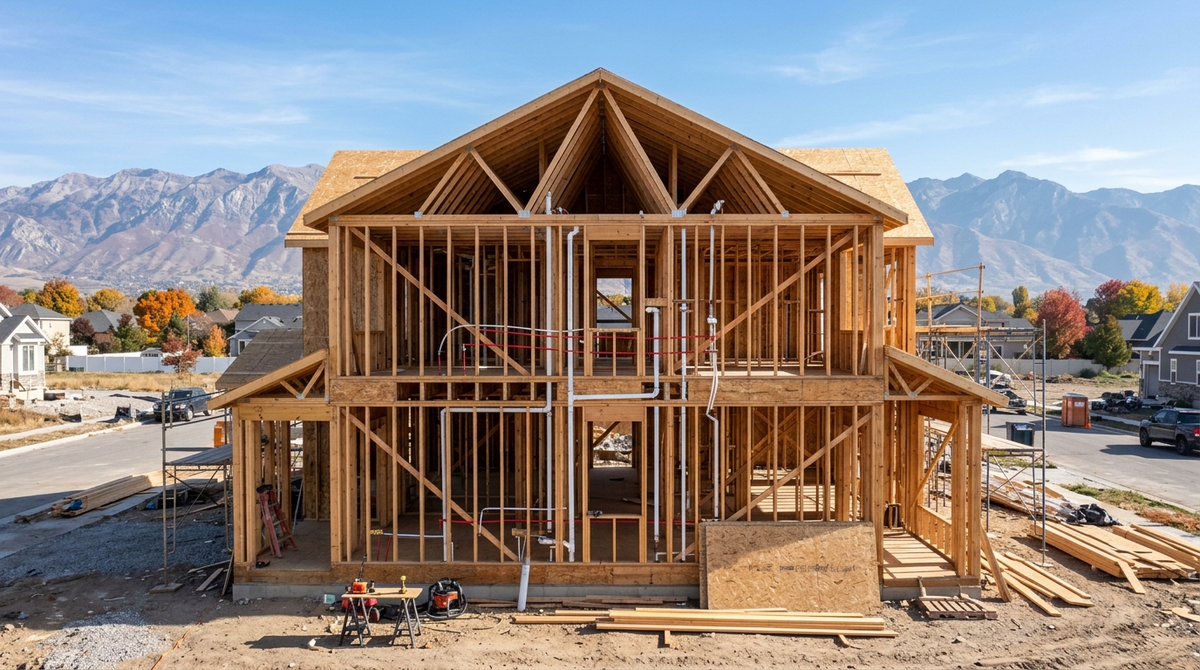
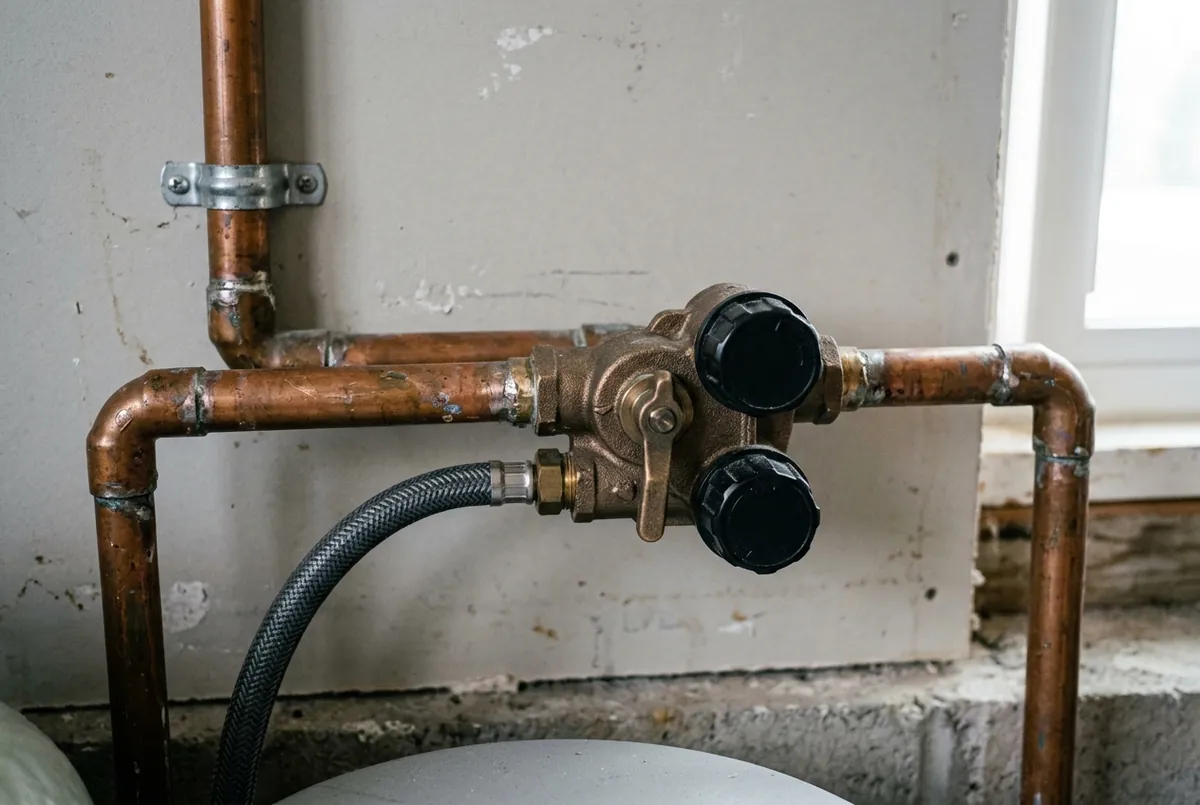
A softener has to sit on the main water line, before the water heater, with power nearby and room for the brine tank. A spot right beside the main line in a basement or garage is the simplest install. A finished basement, a crowded utility room or a main line on the far side of the house means more pipe, more time and sometimes opening a wall.
The drain connection
Softeners flush wastewater during each cleaning cycle, so they need a proper drain connection. A floor drain or laundry standpipe nearby keeps this simple. No drain nearby means a longer line to the nearest one.
Bypass valve and outdoor lines
A bypass valve lets you shut the softener off without shutting off the house. Many homeowners also keep outdoor spigots on hard water, since soft water is not needed for the lawn. Separating those lines adds plumbing work but saves salt.
Pairing with a filter
A softener does not filter taste, smell or sediment. Adding a whole-house filter or a kitchen drinking-water filter at the same time adds equipment, but sharing one shutdown of the main line saves a second visit. Our water filtration systems page explains the filter options.
The upkeep cost after the install
The install is a one-time cost. The upkeep is what you pay every year:
- Salt. A salt-based softener needs refills every few weeks to months, depending on its size and how much water you use.
- Water and power. Each cleaning cycle uses some water and a little electricity.
- Service. The control valve and resin last for years but are not permanent. Ask what service the unit needs and how often.
Ask any installer what salt will cost you over a year with your hardness and your household. It is part of the real price.
Is a water softener worth it in Utah?
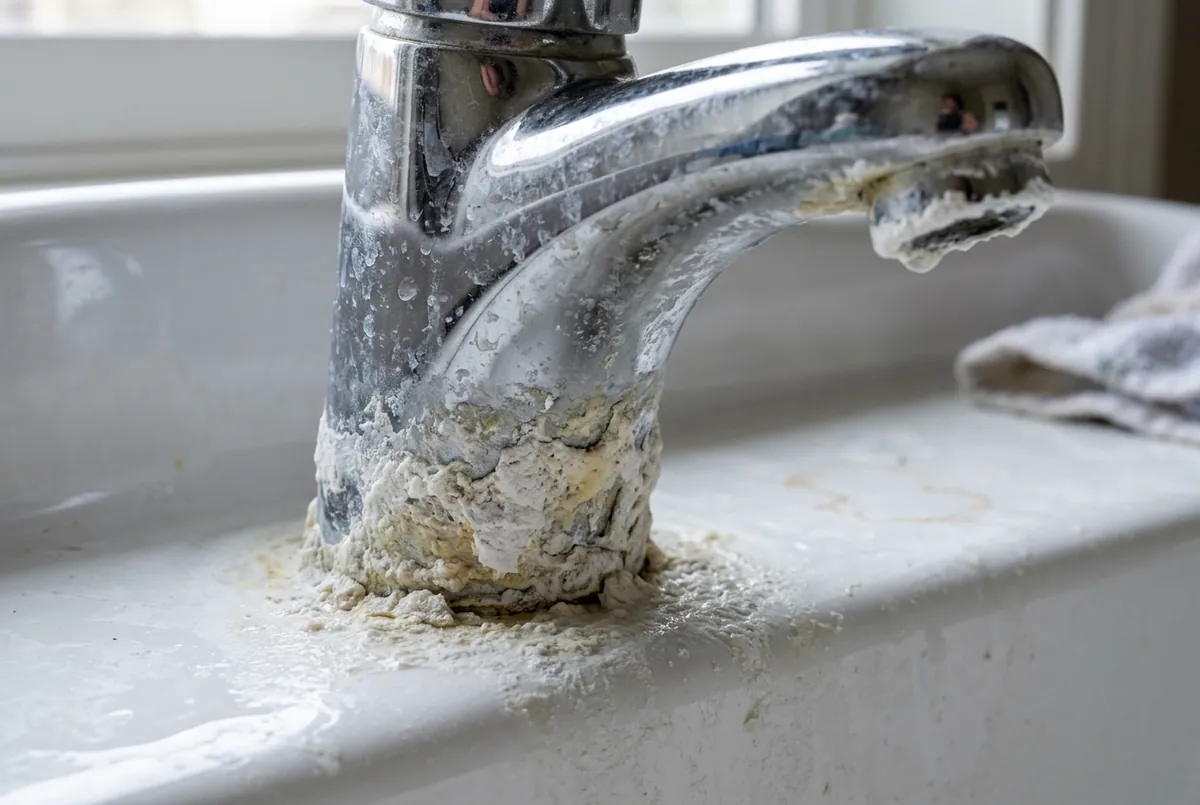
For many Utah homes, yes, especially with water in the 10 to 12 grain range or higher. Hard water leaves scale in pipes, faucets, showerheads, dishwashers and water heaters. Scale is one of the main things that wears down a tankless water heater, and it collects as sediment at the bottom of a tank heater.
Signs the hardness is already costing you money:
- White crust on faucets and showerheads
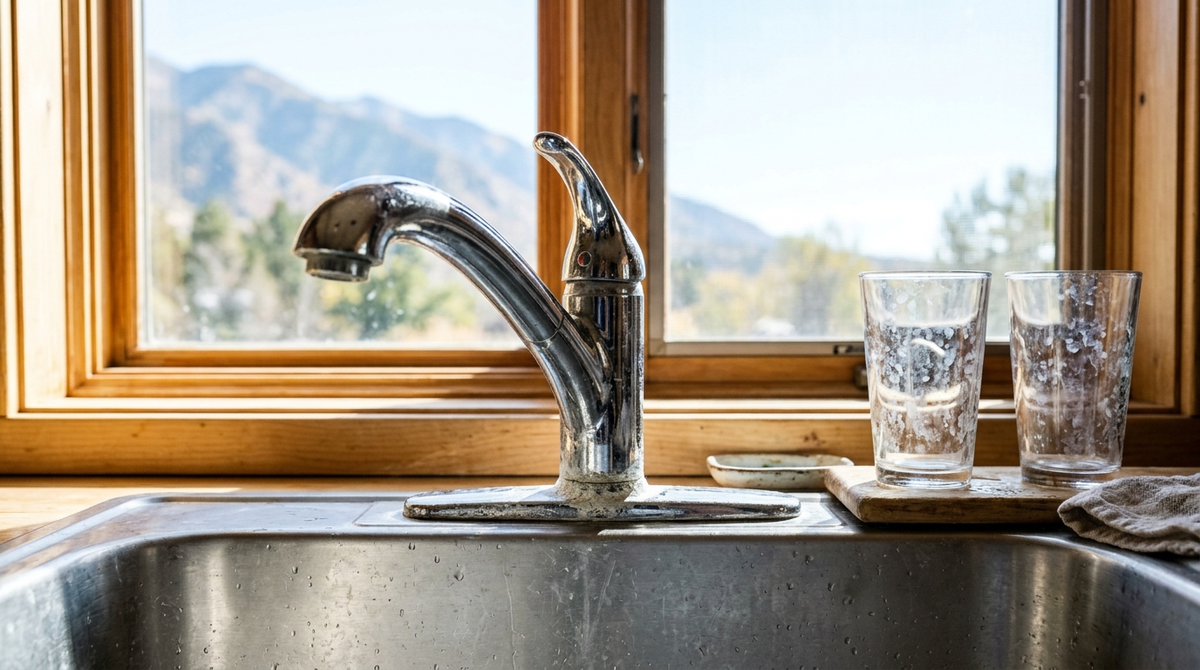
- Spots on glasses and dishes after every wash
- Soap that does not lather well
- A water heater that rumbles or heats slowly
- Low flow at showerheads as scale narrows the openings
If you are not sure whether you need a softener, a filter or both, our post on hard water in Utah: softener or filter walks through the difference. Anyone on a low-sodium diet should ask a doctor before choosing a salt-based softener.
Questions to ask before you compare quotes
Softener quotes only compare fairly when they cover the same job. Ask each installer:
- Did you test my water, and what hardness are you sizing for?
- What capacity is the unit, and how often will it regenerate?
- Is it salt-based or salt-free, and what will it do for my water?
- Where will it go, and how will it connect to a drain?
- Is a bypass valve included? Will outdoor spigots stay on hard water?
- What will salt and upkeep cost each year?
- Is the old unit removal included, if I have one?
A clear answer to each one tells you more than the first price you hear.
Water softener installation with Mattos Express Plumbing
Mattos Express Plumbing is a family-owned company that installs water softeners across the Wasatch Front. We test your water first, size the softener to your household and the hardness we find, and show you how to add salt and read the controls before we leave.
See our water softener installation page, or our local pages for water softener installation in Salt Lake City and water softener installation in Park City. Call or text us and tell us what you are seeing at the tap.